
Pet Dental Treatment
Panova Animal Hospital provides comprehensive dental care for dogs and cats—from routine cleanings to advanced oral treatment. Healthy teeth and gums are essential to your pet’s overall well-being, and our team treats every dental visit with the same attention and care as any other treatment.
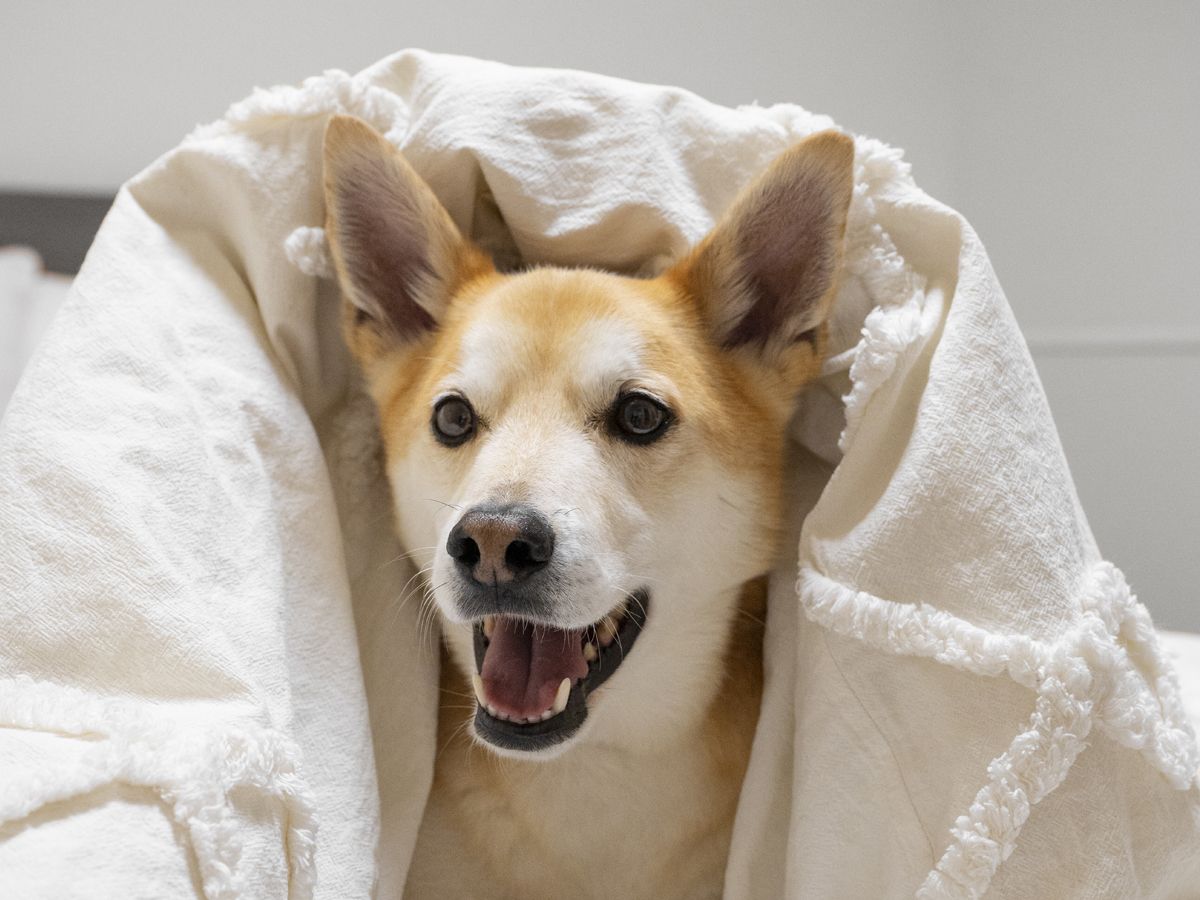
Why Pet Dental Health Matters
Regular oral exams, home dental care, and professional cleanings when indicated are the best way to identify problems early and slow the progression of dental disease. Because pets often hide oral discomfort, routine veterinary dental assessment is especially important—even when they seem to be eating and acting normally.
Our Dental Services
Comprehensive Oral Health Assessment & Treatment (COHAT)
Every dental procedure at Panova Animal Hospital begins with a thorough oral health assessment. Our standard dental care package includes:
- Full physical examination
- Pre-procedure bloodwork to confirm your pet is healthy for anesthesia (learn more about our in-house diagnostics)
- Complete anesthesia package including premedication, induction, general anesthesia, IV catheter with fluids, patient monitoring, and recovery hospitalization—plus an anti-nausea medication administered with every anesthesia
- Full-mouth dental examination evaluating calculus buildup, periodontal pockets, gingivitis, loose or missing teeth, and oral abnormalities such as masses or bite misalignment
- Ultrasonic scaling and polishing
- Full-mouth digital dental X-rays
Digital dental X-rays are a critical part of every cleaning—up to 60% of dental disease exists below the gumline and is invisible to the naked eye. Radiographs allow us to evaluate root health, bone loss, and hidden pathology that a visual exam alone would miss.
Additional Dental Services
Depending on what we find during your pet's oral exam, additional treatment may be recommended. These services are provided for an additional fee, and our veterinary team will walk you through all recommendations and costs before proceeding. Additional services may include:
- Tooth extraction(s)
- Post-extraction radiographs
- Dental nerve blocks
- Multimodal pain management using various medications tailored to your pet's needs
- Take-home pain medications
- Additional anesthesia time as needed
We never proceed with additional treatment without your approval. You'll always know what we're recommending and why before any work is done.
Additional Oral Treatments
For pets with more advanced periodontal disease, we also offer:
- Open or closed gum deep cleaning
- Guided tissue regeneration
- Gingivoplasty
- Plaque retardant therapy
Anesthesia & Your Pet’s Safety
Safe pet dental cleaning requires general anesthesia—there is no reliable alternative to achieve the same desired results. Anesthesia allows us to perform a thorough, pain-free, stress-free exam, take accurate full-mouth X-rays, and clean below the gumline where disease most commonly develops. Endotracheal intubation during anesthesia also protects your pet’s airway from water and debris during the procedure.
We take anesthesia seriously. Every patient receives a thorough exam during the initial consultation, pre-procedure bloodwork, continuous monitoring throughout the procedure, IV fluids, and a dedicated recovery period before discharge. Your fur baby’s safety is our top priority, and protocols are designed to minimize risk and maximize your pet’s comfort from start to finish.
If you have concerns about anesthesia, we encourage you to discuss them with us—we’re happy to walk you through exactly what to expect.


What to Expect at Your Pet’s Dental Appointment
On the day of the appointment, your pet will be admitted to our care, anesthetized, and monitored throughout the dental procedure. If we identify issues that require additional treatment, we will contact you before proceeding. After recovery, we’ll review our findings with you and provide any at-home care instructions before discharge.
How Often Does My Pet Need a Dental Cleaning?
Most dogs and cats benefit from a professional dental cleaning once a year. Some pets—particularly small breeds, brachycephalic breeds, and older animals—may need more frequent care due to a higher predisposition to dental disease. We’ll make a specific recommendation based on your pet’s oral health at each wellness exam.
At-home dental care, including daily tooth brushing, can help slow plaque and tartar buildup between professional cleanings. We’re happy to show you techniques that work for your pet.

Pet Dentistry FAQs
My pet's breath is bad—is that normal?
My pet is eating fine—do they still need a dental exam?
Yes. Pets are instinctively driven to eat even when in pain, so a normal appetite doesn't rule out dental disease. Many pets with significant oral pain show no outward behavioral changes until the condition is quite advanced and causing significant discomfort.
Is anesthesia-free dental cleaning a safe alternative?
Anesthesia-free dental cleanings can remove visible plaque and tartar and may improve the appearance of the teeth, but they have important limitations. They do not allow for a complete examination below the gumline, full-mouth dental X-rays, or thorough treatment of the areas where periodontal disease develops.
For carefully selected pets with healthy mouths and no known periodontal disease, owners may choose anesthesia-free scaling as an adjunct to regular home care and veterinary dental evaluations. However, it should not create a false sense that disease below the gumline has been ruled out or treated. Once periodontal disease is present or suspected, a comprehensive dental procedure under anesthesia is needed to properly evaluate and treat the mouth. Maintaining oral health is an important part of supporting your pet’s comfort and overall well-being.
How do I prepare my pet for a dental procedure?
Will my pet be in pain after the procedure?
Dental Care That Goes Beyond the Surface
Veterinary dentistry is about far more than clean teeth—it’s a window into your pet’s overall health. At Panova Animal Hospital, our dog and cat dental cleaning protocols combine thorough oral assessment, full-mouth digital X-rays, and individualized treatment planning to address what’s actually happening in your pet’s mouth. Whether your pet is due for a routine cleaning or showing signs of more advanced disease, our team is equipped to provide the level of care their oral health deserves. We proudly support the long-term health of pets throughout the Fountain Valley community and the surrounding region.